

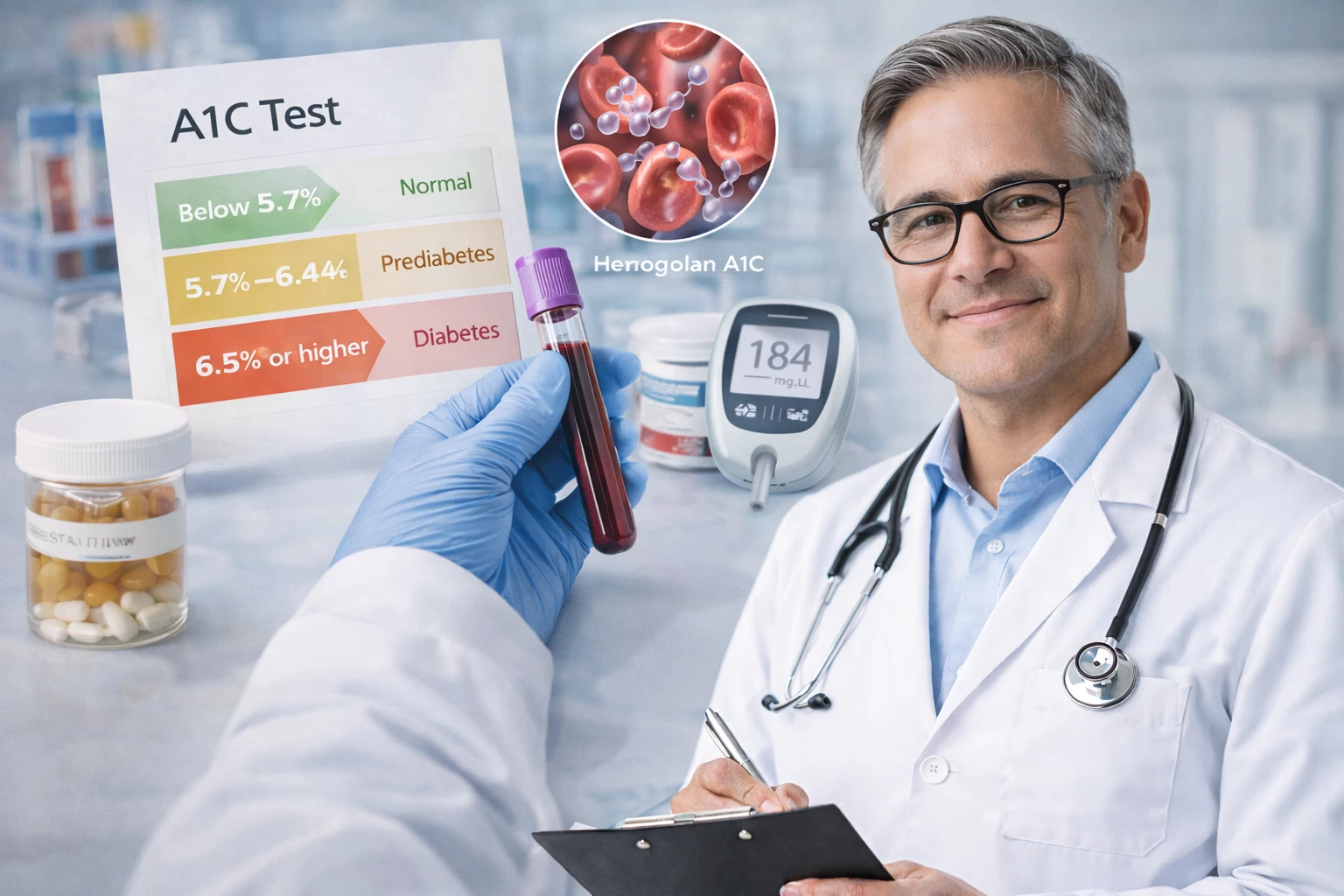
Hemoglobin A1C (Diabetes Monitoring): Accurate Long-Term Blood Sugar Testing
The Hemoglobin A1C (HbA1C) test is a critical laboratory service used to measure average blood glucose levels over the past two to three months. Unlike daily glucose checks, this test provides a long-term view of blood sugar control, making it essential for diagnosing and managing diabetes effectively.
What Is the Hemoglobin A1C Test?
The A1C test evaluates the percentage of hemoglobin in the blood that is coated with sugar (glycated hemoglobin). Because red blood cells live for approximately 90–120 days, the test reflects an average of blood glucose levels over time rather than a single moment.
As a result, healthcare providers rely on this test to assess how well diabetes is being managed and to make necessary adjustments to treatment plans.
Why A1C Testing Is Important
Diabetes often develops gradually and may not present noticeable symptoms in its early stages. Therefore, regular A1C testing plays a vital role in early detection and ongoing monitoring.
Moreover, maintaining healthy A1C levels helps reduce the risk of serious complications, including heart disease, kidney damage, nerve issues, and vision problems. Consequently, consistent testing is key to long-term health and disease prevention.
Key Benefits of Hemoglobin A1C Testing
This test offers several advantages for both patients and healthcare providers:
- Long-term glucose monitoring: Reflects average blood sugar over 2–3 months
- No fasting required: Convenient and easy testing process
- Early detection of diabetes and prediabetes
- Treatment monitoring: Helps evaluate effectiveness of medications and lifestyle changes
- Reduced risk of complications: Supports better disease management
Who Should Get an A1C Test?
Hemoglobin A1C testing is recommended for:
- Individuals diagnosed with diabetes
- Patients at risk for diabetes (family history, obesity, or sedentary lifestyle)
- Adults over age 35 as part of routine health screening
- Individuals experiencing symptoms such as frequent urination, fatigue, or increased thirst
Even individuals without symptoms may benefit from periodic screening to ensure optimal health.
Understanding Your A1C Results
A1C results are reported as a percentage. Generally:
- Below 5.7%: Normal
- 5.7% – 6.4%: Prediabetes
- 6.5% or higher: Diabetes
Healthcare providers use these values to guide treatment decisions and recommend lifestyle or medication adjustments.
What to Expect During the Test
The A1C test is quick and minimally invasive, requiring only a small blood sample. Results are typically available within a short timeframe and are shared confidentially with patients.
Additionally, because fasting is not required, the test can be performed at any time of day, making it highly convenient.
Take Control of Your Diabetes Management
In conclusion, the Hemoglobin A1C test is an essential tool for monitoring and managing diabetes. By providing a clear picture of long-term blood sugar control, it empowers patients and healthcare providers to make informed decisions, improve outcomes, and maintain a healthier lifestyle.
Contact Info
-
Phone: (561) 508-7318
-
Fax: (844) 273-7007
-
Opening hours: Monday - Friday: 9AM - 5PM
Saturday: By Appointment Only